Provider Standards

Provider Equipment & Safety Standards

Every provider must meet these requirements before going live.

Mandatory onboarding policy Reviewed before activation Non-compliance = deactivation
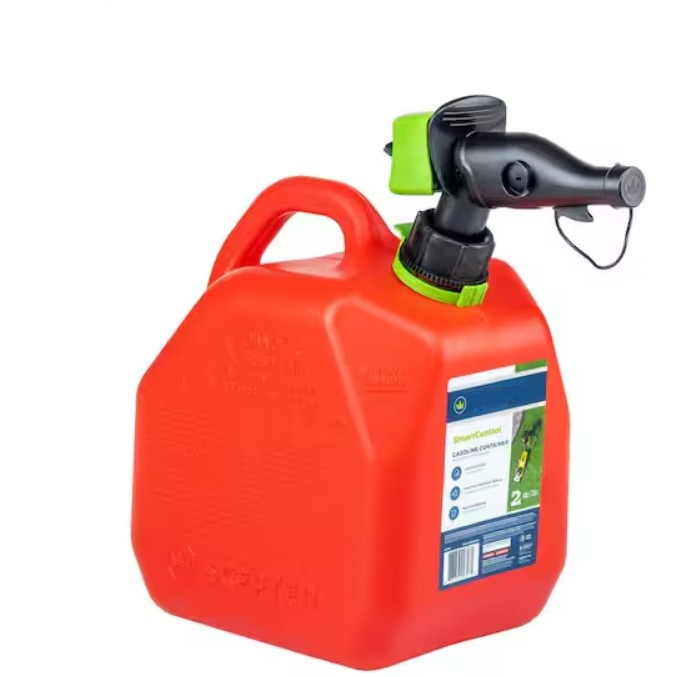
A red 2-gallon DOT-compliant portable gas can2-gallon gas can
Gas Delivery Equipment
Required — Approved Container

Approved Gas Container

All gas delivery providers must carry a minimum 2-gallon portable gas can. No improvised containers, no open containers, and no siphoning from another vehicle. The gas can must be DOT-compliant and in good condition with no leaks.

Inspect for cracks and a sealing cap before every shift.
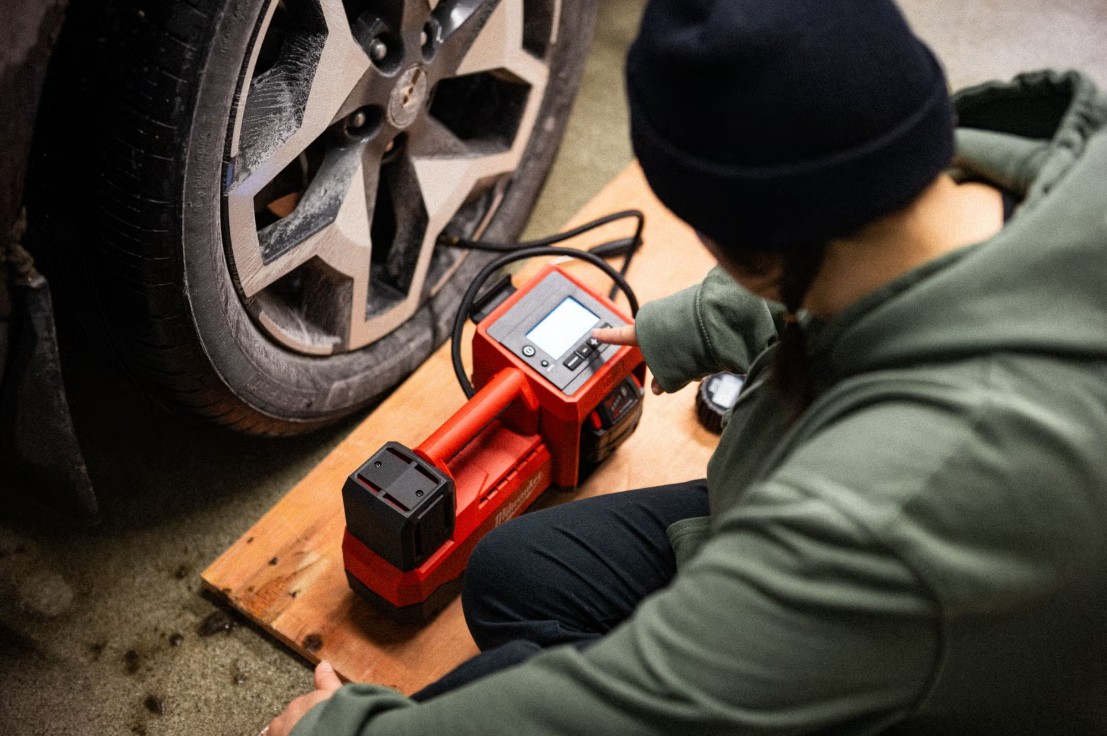
A provider using a cordless inflator on a tireWireless air pump
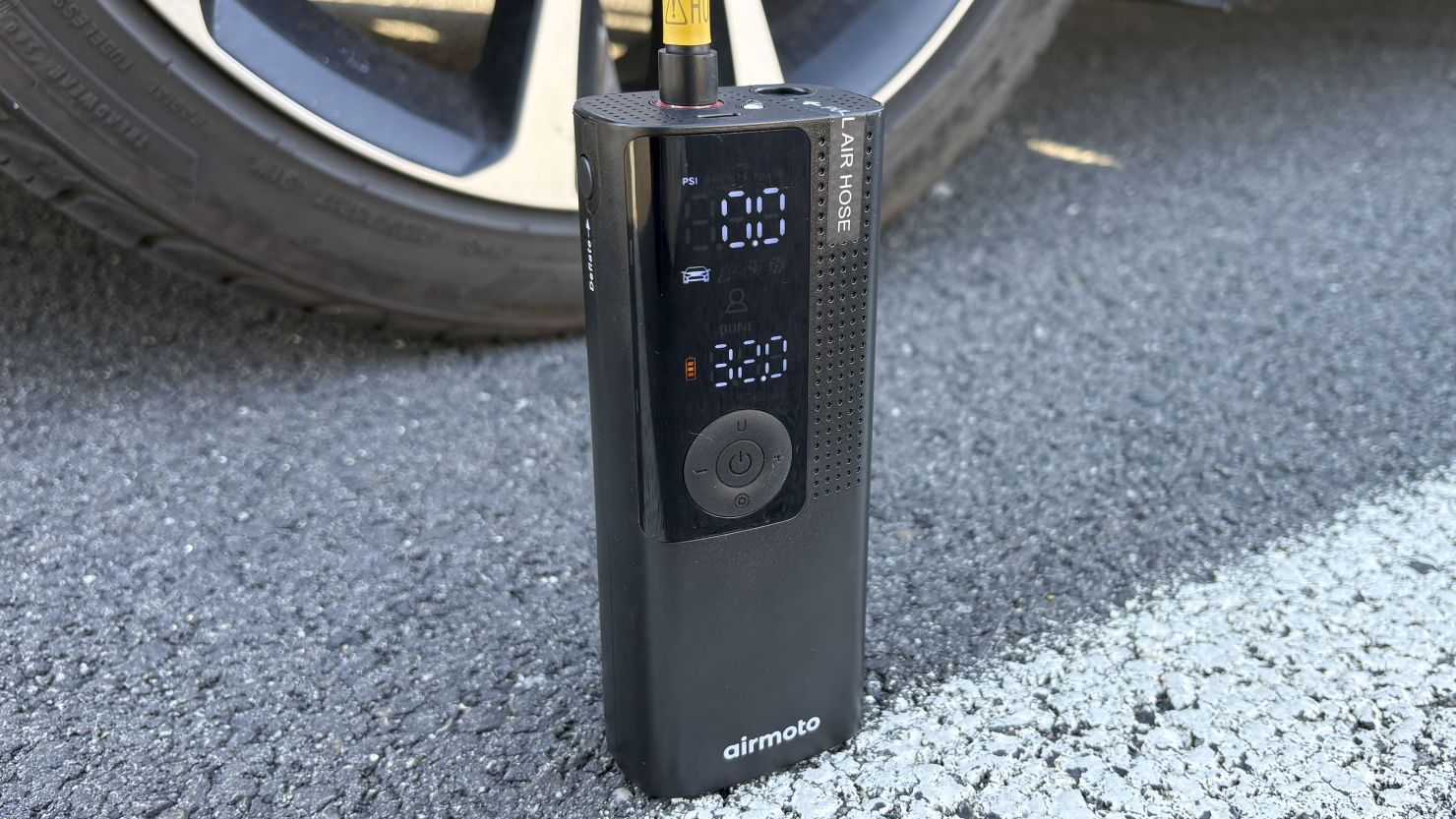
A portable digital tire inflator on the pavementAir pump 2
Tire Air Service
Approved — Portable Air Pumps

Portable & Wireless Pumps Only

These are the only acceptable air pumps for tire air service. They must be portable/wireless and capable of inflating a standard passenger tire. Providers must carry their own.

Battery must be fully charged before going live.
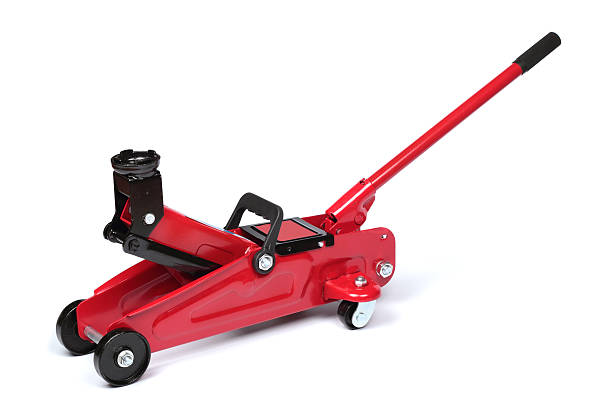
A red hydraulic floor jackHydraulic floor jack
Tire Change Equipment
Required — Hydraulic Floor Jack Only

Hydraulic Floor Jack

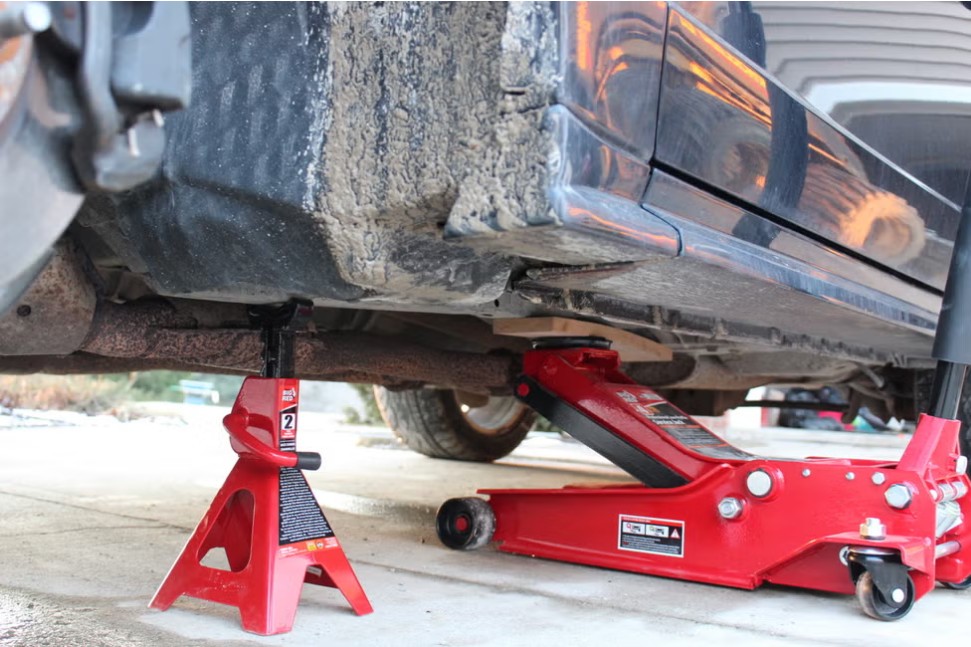
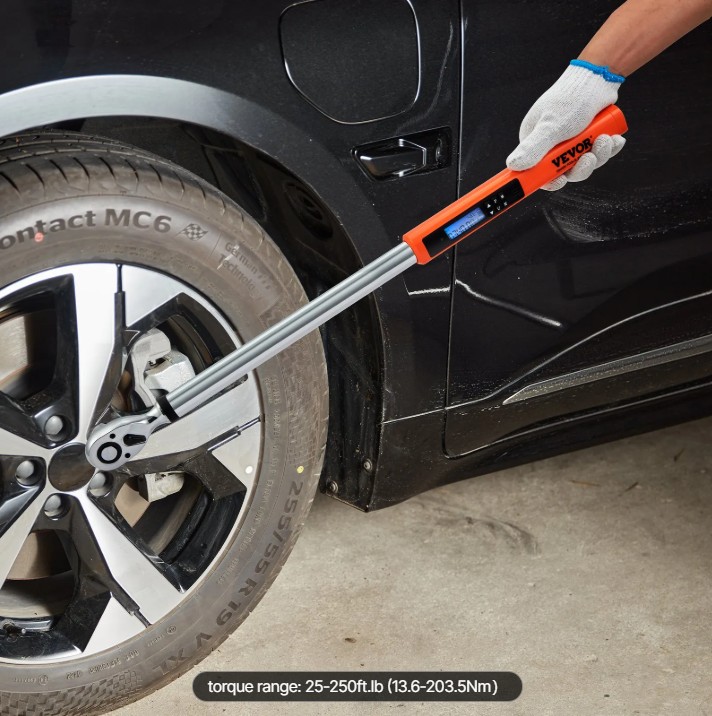
Tire change providers must use a hydraulic floor jack. This is the only jack type approved for Roadside Neighbor service calls. It provides the stable, level lifting required for safe tire changes on public roads.

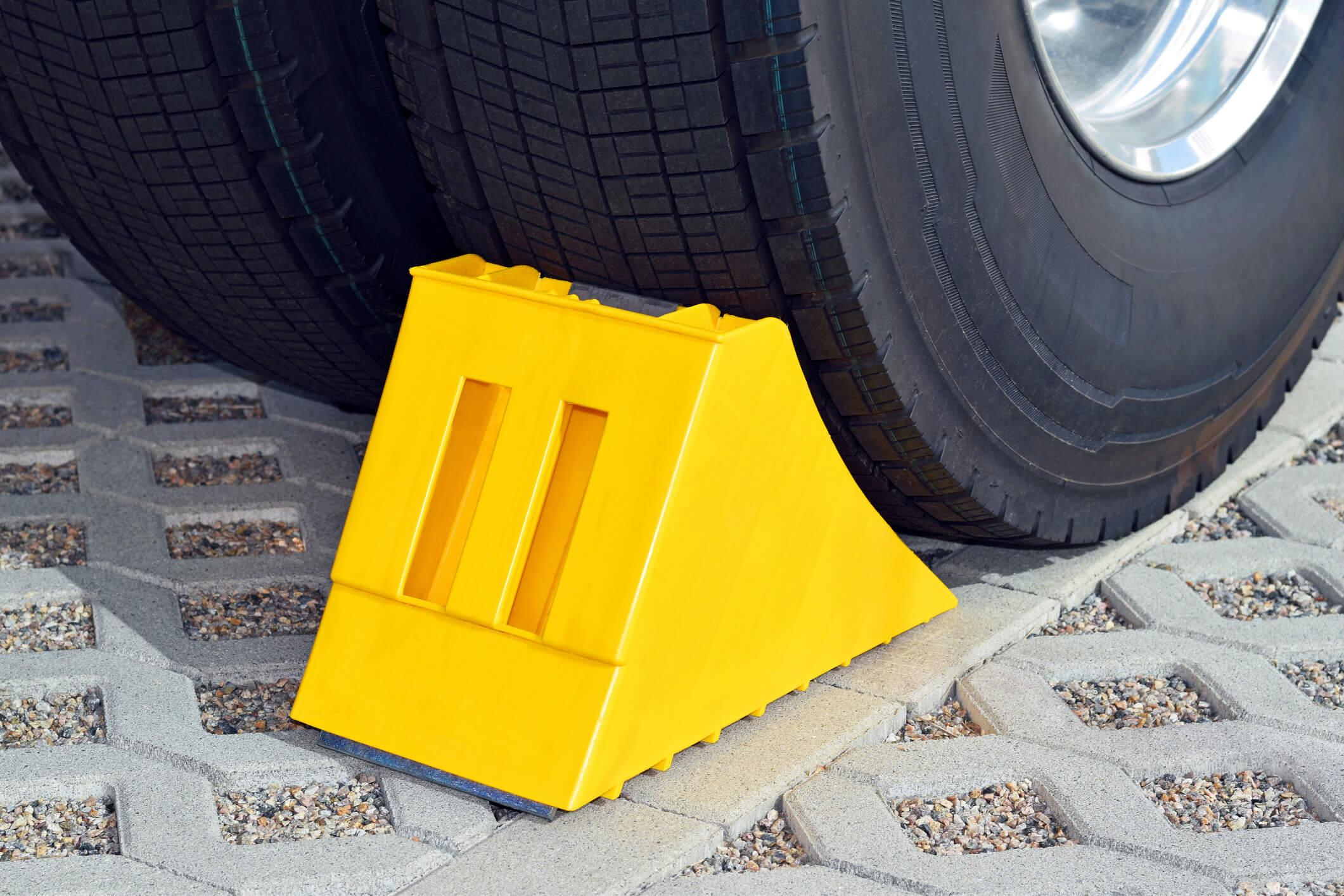
Always pair with a wheel chock on the opposite axle.
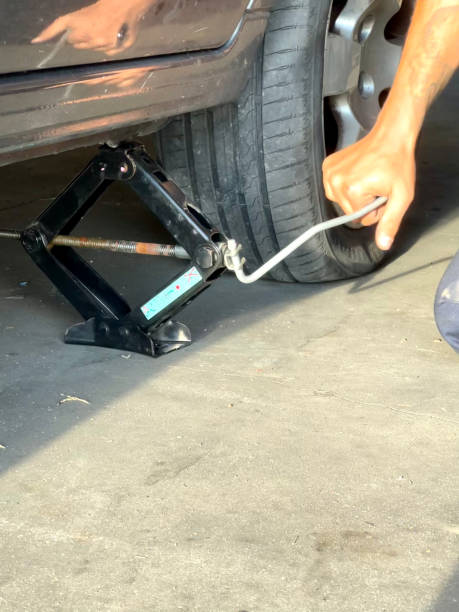
A scissor jack lifting a vehicle — not allowedScissor jack
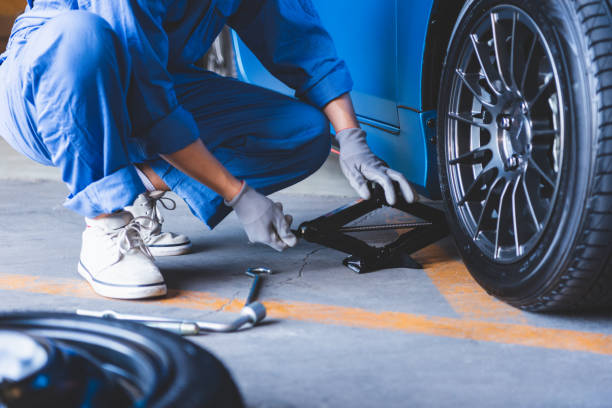
A scissor jack in use on pavement — not allowedScissor jack in use
Tire Change Equipment
Not Allowed — Scissor Jacks Prohibited

Scissor Jacks Are Never Allowed

Scissor jacks — the kind that come with most cars — are never permitted on Roadside Neighbor service calls. They are unstable, prone to slipping on uneven surfaces, and too slow for roadside work.

Using one is grounds for immediate deactivation.
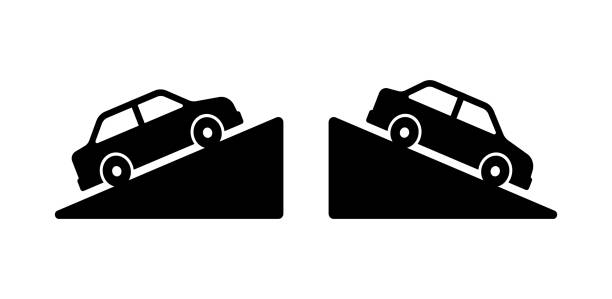
Diagram of cars parked on an inclineVehicle on an incline
Tire Change Safety
Not Allowed — No Incline Changes

Do Not Change Tires on an Incline

Never attempt a tire change on a hill, slope, or incline. The vehicle can roll off the jack, causing injury or death. If the customer's vehicle is on an incline, instruct them to move to flat ground first — or decline the job and select "Unsafe conditions" as the reason.

Your safety comes first. No job is worth the risk.
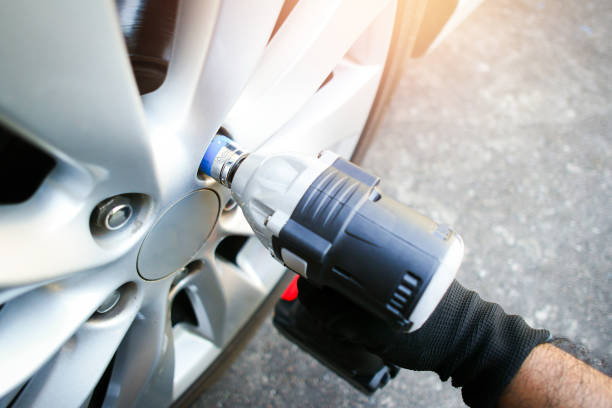
A cordless impact wrench removing a lug nutImpact wrench in use
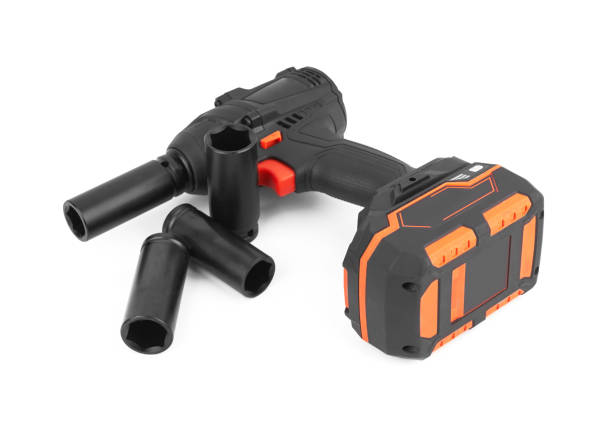
A cordless impact wrench with sockets and batteryCordless impact kit
Tire Change Equipment
Required — Cordless Impact Wrench

Cordless Impact Wrench

A cordless impact wrench is required for all tire change service calls. It speeds up lug nut removal and re-tightening, reducing time on the side of the road — the most dangerous part of the job. Hand wrenches and tire irons are too slow for professional roadside service.

Battery must be fully charged before going live.
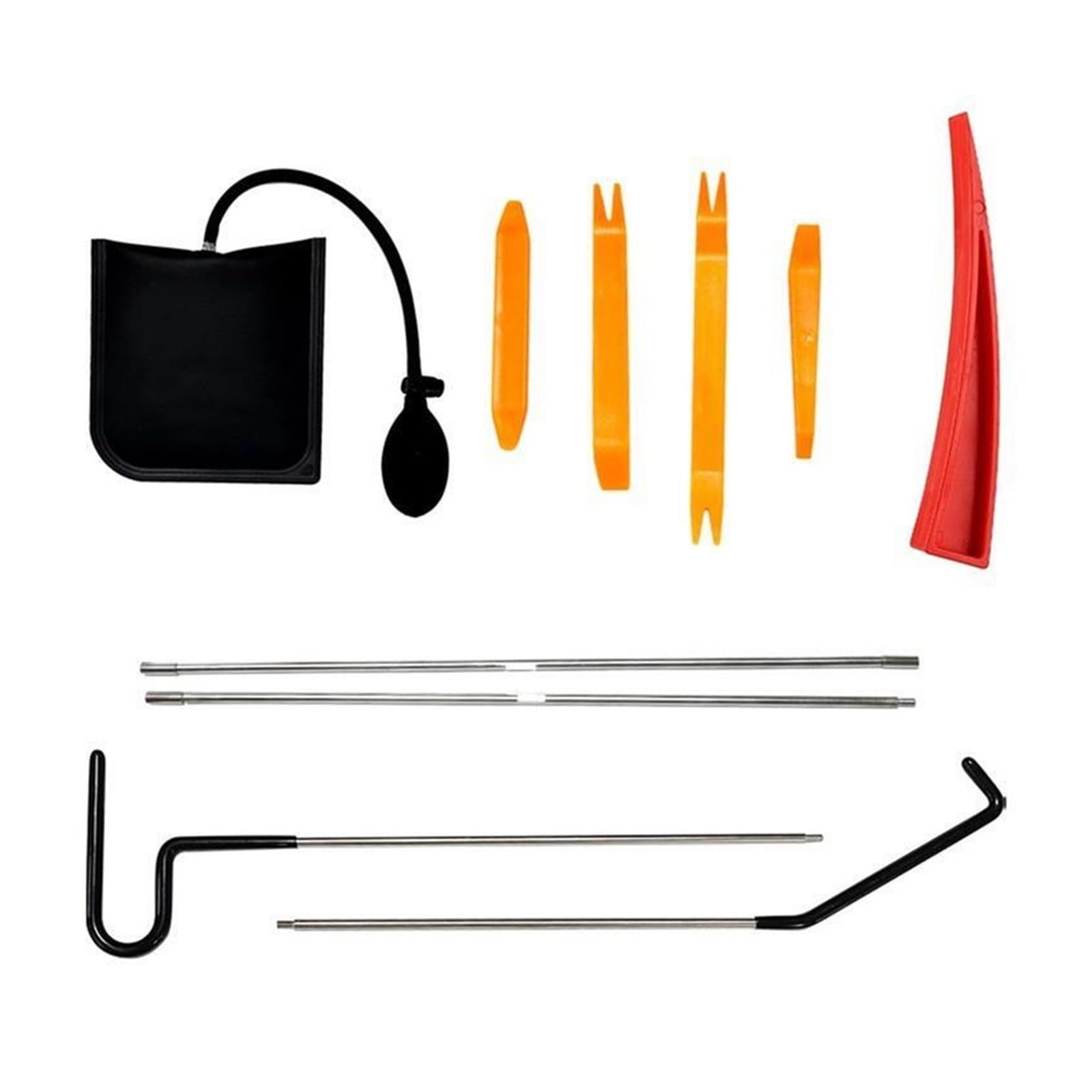
A professional air wedge lockout kit with wedges and rodsAir wedge lockout kit
Lockout (PopLock) Service
Required — Air Wedge Lockout Kit

Air Wedge Lockout Kit

For PopLock service, providers must use a professional air wedge lockout kit — the standard non-destructive entry method. No slim jims, no coat hangers, and no tools that can damage the vehicle's paint, weatherstripping, or locking mechanism. Locksmiths handling New Key jobs use their own professional key-cutting equipment.

Non-destructive entry protects you and the customer.
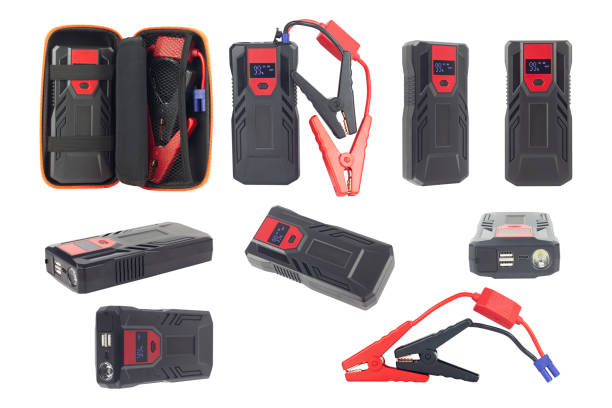
A portable jump box with reverse polarity protection and clampsAnti-reverse-polarity jump box
Jump Start Service
Required — Anti-Reverse-Polarity Jump Box

Approved Jump Box Only

This is the only authorized jump box for Roadside Neighbor. It has built-in reverse polarity protection, preventing damage to the customer's electronics if cables are connected incorrectly. Standard car-to-car jumper cables are not allowed — they risk reverse polarity damage, and Roadside Neighbor will not cover claims from cable-based jumps.

Cable-to-cable jumps are uninsured and prohibited.
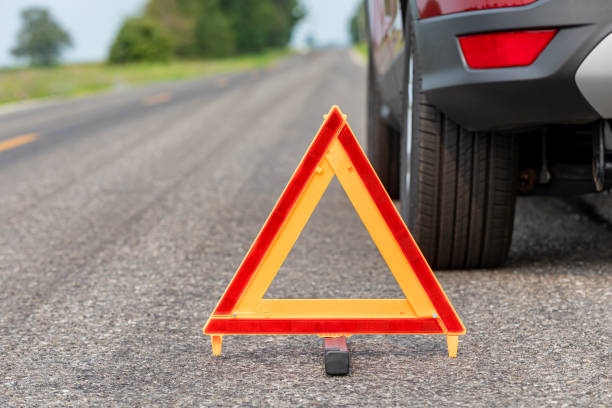
A reflective safety triangle placed on the road behind a vehicleReflective triangle
An orange reflective safety coneSafety cone
Roadside Safety — All Services
Mandatory — Triangles or Cones

Safety Markers Required on Every Call

Every provider must carry and deploy reflective safety triangles or cones before starting any roadside service. This is not optional — it is required on every single call. Place them behind the vehicle to alert oncoming traffic.

Failure to use safety markers is grounds for deactivation.
An orange ANSI/ISEA 107 Class 2 high-visibility safety vestHi-vis safety vest
Roadside Safety — All Services
Mandatory — Hi-Vis Safety Vest

High-Visibility Safety Vest Required

Every provider must wear an ANSI/ISEA 107 Class 2 or higher high-visibility safety vest on every call. It makes you visible to oncoming traffic day or night and is required the entire time you are working roadside.

Working a call without a hi-vis vest is grounds for deactivation.

Minimum Kit Checklist

Carry all required equipment for the services you're activated for. Your account cannot go live until your kit is verified.

2-gallon DOT gas canGas delivery
Portable wireless air pumpTire air — charged
Hydraulic floor jackTire change — no scissor jacks
Cordless impact wrenchTire change — charged
Air wedge lockout kitPopLock — non-destructive only
Anti-reverse-polarity jump boxJump start — no cables
Reflective triangles or conesRequired on every call
ANSI/ISEA 107 Class 2 hi-vis vestWorn on every call
Charged phone & the appDocumentation & dispatch

Equipment is spot-checked during onboarding and may be re-verified at any time. Use of prohibited equipment, skipping safety markers, or working in unsafe conditions is grounds for immediate deactivation. When in doubt, decline the job and select "Unsafe conditions" — your safety always comes first.